
Our Story
A notebook built on tradition
Cab Mate didn't start on a whiteboard. It started with one driver's own notebook — and a belief that note-taking on the railway deserved structure, clarity and pride.
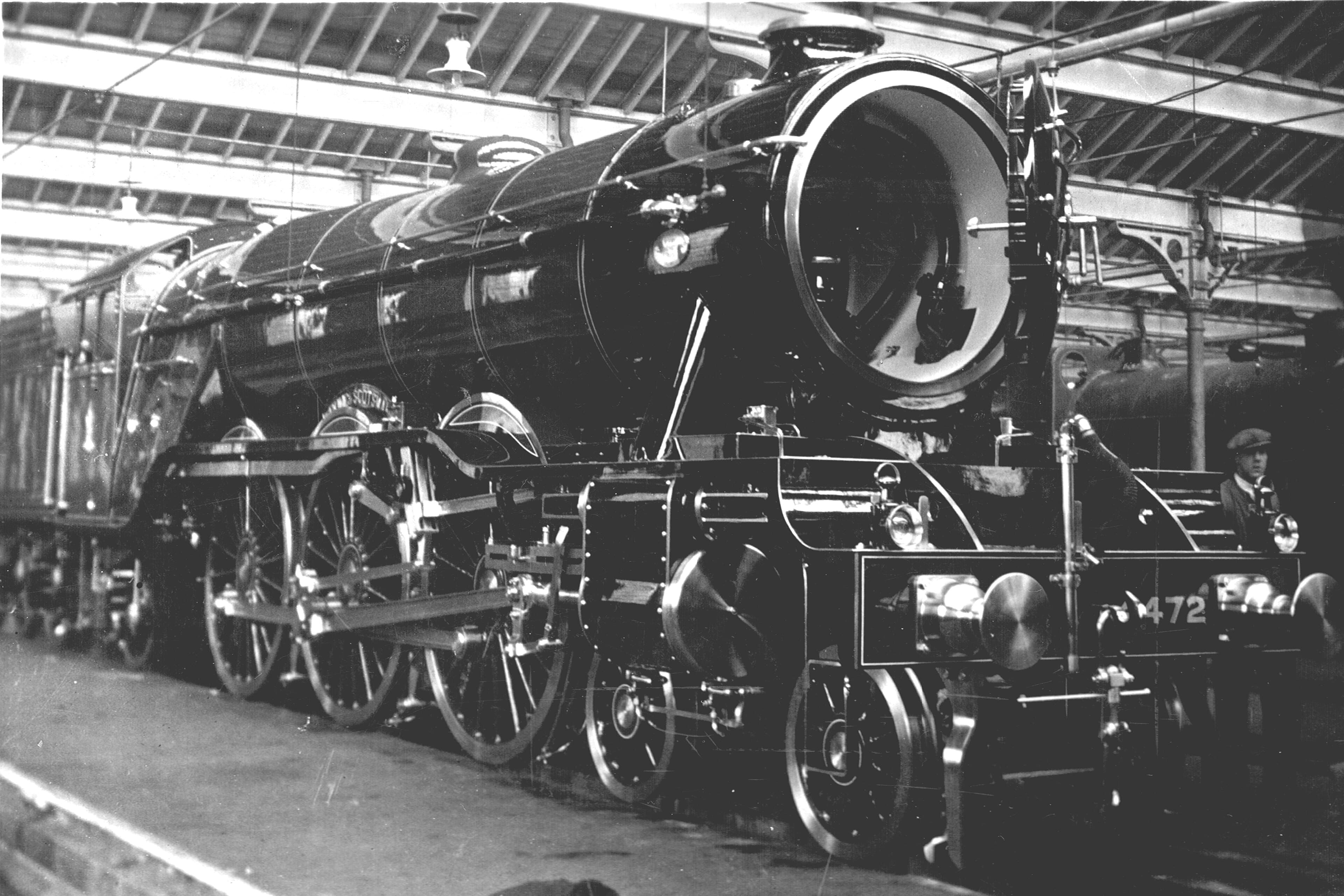
Flying Scotsman, Doncaster Works · c. 1922
The Tradition
A carriage full of notebooks
Long before anyone called it a “system,” drivers carried a notebook. A place for the duty log, the odd note on a temporary speed restriction, the signal that ran a little late. Battered, dog-eared, and never far from reach.
Some were company-issue. Most weren't. Drivers bought whatever fit the pocket and held up to a shift in all weathers — and made do with the rest.
“Speed record set bombing down Stoke Bank — 126 mph.”
A page like this, still pinned above the workshop bench, started it all.
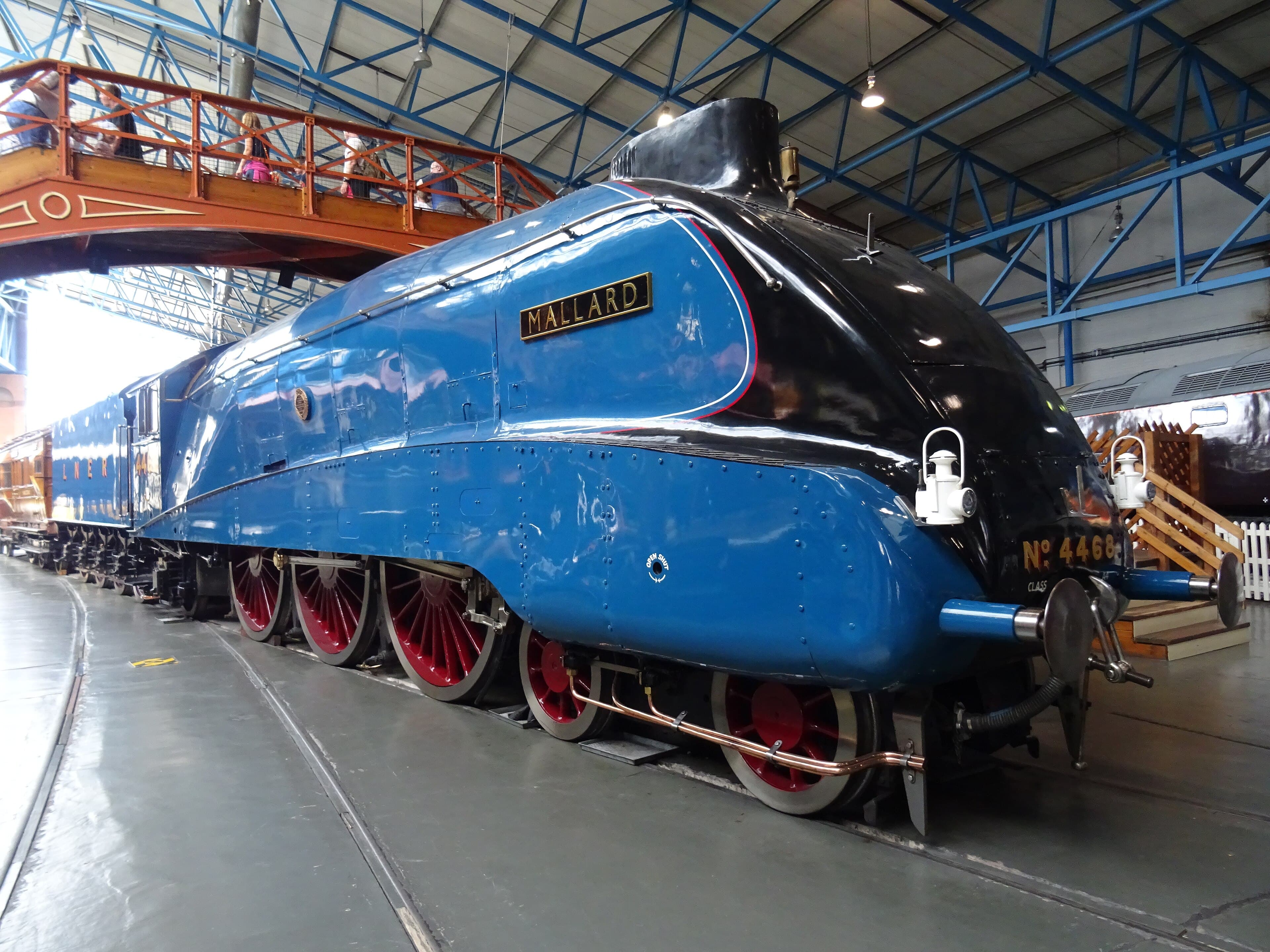
Mallard · Stoke Bank record-holder · National Railway Museum
Why We Started
Created by a working driver
Cab Mate® was born in the cab. It started as one driver's own notebook — a simple log for headcodes, stops and defects, kept because nothing bought off a shelf fit the pocket or survived the job.
What began as a personal system has grown into a trusted companion, carried by drivers, guards and railway enthusiasts across the network.
How It's Made
Designed in the cab, not at a desk
Researched with drivers
Every layout started with a real duty log, not a blank template.
Tested on real shifts
Prototypes rode in real cabs before a single page was finalised.
Refined, shift after shift
Feedback from drivers and guards still shapes every reprint.
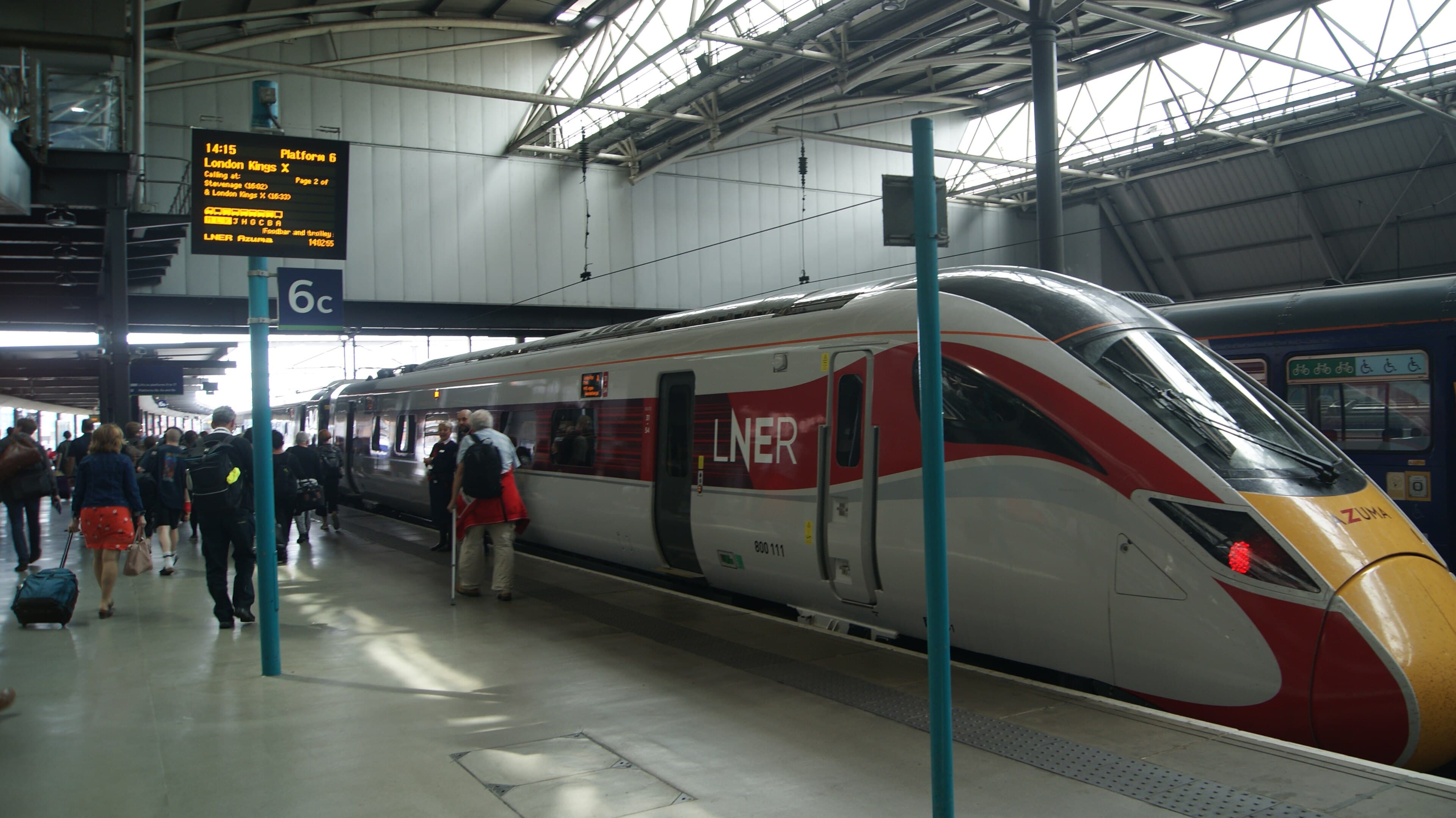
LNER Azuma, Leeds railway station
Today
Still riding the same rails
The steam age is long gone, but the habit isn't. Today's cabs run on diesel and electric, from long-distance expresses to cross-Channel services — and the notebook in the top pocket has barely changed.
More recently, guards, freight crews and railway enthusiasts have asked for layouts of their own. Each edition followed the same rule — same build, same standard, shaped for a different job on the same railway.
Ready to log every journey?
Pick your edition and carry a notebook built for the cab, the platform, or the trackside.